2 min read

How To Create Great Google Ads

With competitors also using Google Ads for their own gain, it is important to be clever about how to use them, so they work most effectively for you.
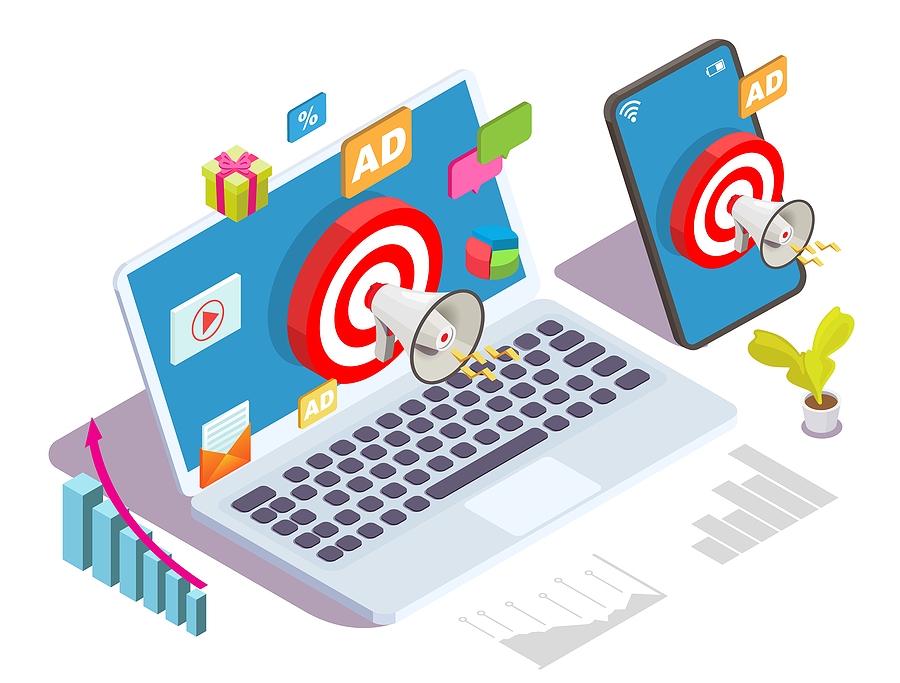
Illustration of advertising targets on a laptop and smartphone
James Capper Written by Founder at Blink. Development and technical search.

Published 

Google Ads can help your business reach people through paid placements in search results. Paying for ads does not improve your organic rankings. To make campaigns effective, focus on the customers you want to reach and what you want them to do after clicking.

For those who aren’t aware of what Google Ads is, it is an online platform that advertises businesses in the form of product listings, videos, search engine results, and on mobile apps.

Search ads can put your offer in front of people looking for a relevant product or service. Returns depend on your market, costs, offer and conversion rate; there is no fixed return for every pound spent.

The key to getting the most out of them is to use strategic keywords based on your target market and what they are likely to look up when they need your service or product, Forbes suggested.

Understanding the words customers use helps you choose relevant keywords and write adverts that match their needs.

The role of relevance and landing pages

Ad position depends on Ad Rank, including your bid, auction-time ad quality, landing page experience and the context of the search. Your organic search position does not determine where your advert appears.

It is, therefore, not only important to have keywords, but to optimise the website in other ways too. This includes how easy it is to navigate, the quality of the content, and the website’s usability. 

Creating adverts that stand out

Give each advert a clear message and a relevant landing page. Track enquiries or sales, review search terms and use those results to improve your campaign.

For help planning and managing your campaigns, speak to Blink’s PPC team.

We work with established businesses and large organisations across a diverse range of industries

From established manufacturers to growing service trades.
From Hull to Leeds. From single-location businesses to multi-site operations.

Clear answers about our approach, services and fit.

Everything you need to decide if Blink is the right partner for you.

Get in touch
What does a performance marketing agency actually do?

A performance marketing agency plans, runs and improves measurable activity such as paid search, paid social and conversion work. The aim is not simply more clicks, but more valuable enquiries and sales at a sustainable cost.

Are you an SEO agency or a digital marketing agency?

Blink is an integrated digital agency with specialist SEO and performance expertise. Search strategy sits alongside websites, paid search and paid social, brand and design, so recommendations are not limited by one channel.

Do you build websites as well as run marketing campaigns?

Yes. Strategy, design, development, SEO, paid search and paid social are delivered by one team. That means the website, tracking, landing pages and campaigns can be planned around the same commercial outcome.

Do I need a new website, or can you improve what I already have?

We start by assessing the existing site, its technology and its performance. If focused improvements can solve the problem, we will recommend them. A rebuild is proposed only when the current platform or experience is the genuine constraint. We explain the work, cost and responsibilities in the proposal, including any ongoing support or third-party costs.

Who do you work best with?

We work best with organisations that want a direct, collaborative relationship and are prepared to make decisions from evidence. Our clients range from growing owner-led businesses to established national organisations.

How is your approach different from other agencies?

Senior specialists stay close to the work from strategy through delivery. The proposal defines deliverables, responsibilities, timescales and fees, including handover and ongoing support where relevant. Additional services or work outside that scope are discussed and quoted before they begin.