2 min read

Do I Need To Rebrand?

Knowing when it’s time to rebrand can be tough but there are several reasons that may point to this being necessary.
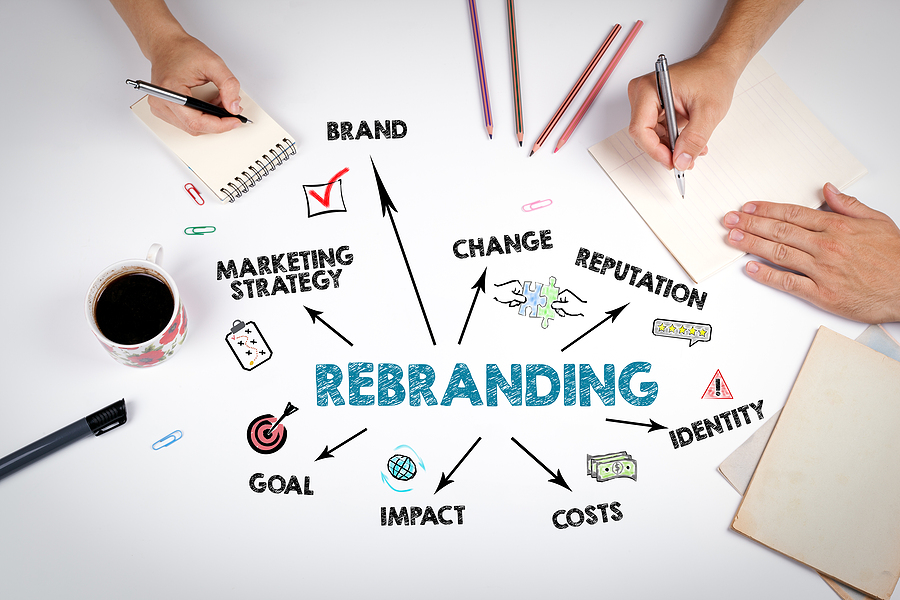

A rebranding planning sheet with notes about strategy, identity and reputation
Ben Keith Written by Founder at Blink. Search and design.

Published 

Rebranding can be a huge job but sometimes it’s necessary to support your business and enable it to continue growing. Knowing when it’s time to rebrand can be tough but there are several reasons that may point to this being necessary.

If you feel your brand is stagnant, not growing or you have noticed a decline in interest, it may be time to start thinking about how you can rejuvenate your offerings. 

Recognising when a brand feels dated

As brands age, they become part of the furniture so to speak. People become used to your business and you catch fewer eyes than you used to. Rebranding and giving yourself a new look can be a great way to capture people’s attention again and kickstart your growth journey.

Another reason you may need to consider a rebrand is if you simply haven’t taken off in the way you hoped. Launching a business for the first time can be scary and the disappointment can be overwhelming if you feel as though you’ve made a false start. 

By giving your brand a makeover, it gives you another chance at accelerating your business and capturing the world’s attention. You know what they say… if at first you don’t succeed, try again!

Reflecting changes in the business

Finally, a rebrand may be necessary if you feel your identity has changed and developed and your old look just doesn’t suit your business anymore. 

As your company grows and develops, key parts will change. This is completely normal, but sometimes it means a change of scenery is needed. 

Finding a clearer direction

Bringing something fresh and new to the table can enable you to express your brand’s identity and key ideas and help maintain the focus of your target audience in an ever-changing world of business.

Looking for a design agency in Hull? Get in touch with Blink today!

We work with established businesses and large organisations across a diverse range of industries

From established manufacturers to growing service trades.
From Hull to Leeds. From single-location businesses to multi-site operations.

Clear answers about our approach, services and fit.

Everything you need to decide if Blink is the right partner for you.

Get in touch
What does a performance marketing agency actually do?

A performance marketing agency plans, runs and improves measurable activity such as paid search, paid social and conversion work. The aim is not simply more clicks, but more valuable enquiries and sales at a sustainable cost.

Are you an SEO agency or a digital marketing agency?

Blink is an integrated digital agency with specialist SEO and performance expertise. Search strategy sits alongside websites, paid search and paid social, brand and design, so recommendations are not limited by one channel.

Do you build websites as well as run marketing campaigns?

Yes. Strategy, design, development, SEO, paid search and paid social are delivered by one team. That means the website, tracking, landing pages and campaigns can be planned around the same commercial outcome.

Do I need a new website, or can you improve what I already have?

We start by assessing the existing site, its technology and its performance. If focused improvements can solve the problem, we will recommend them. A rebuild is proposed only when the current platform or experience is the genuine constraint. We explain the work, cost and responsibilities in the proposal, including any ongoing support or third-party costs.

Who do you work best with?

We work best with organisations that want a direct, collaborative relationship and are prepared to make decisions from evidence. Our clients range from growing owner-led businesses to established national organisations.

How is your approach different from other agencies?

Senior specialists stay close to the work from strategy through delivery. The proposal defines deliverables, responsibilities, timescales and fees, including handover and ongoing support where relevant. Additional services or work outside that scope are discussed and quoted before they begin.